Discseel® Procedure Explained: A Minimally Invasive Option for Chronic Disc-Related Back Pain
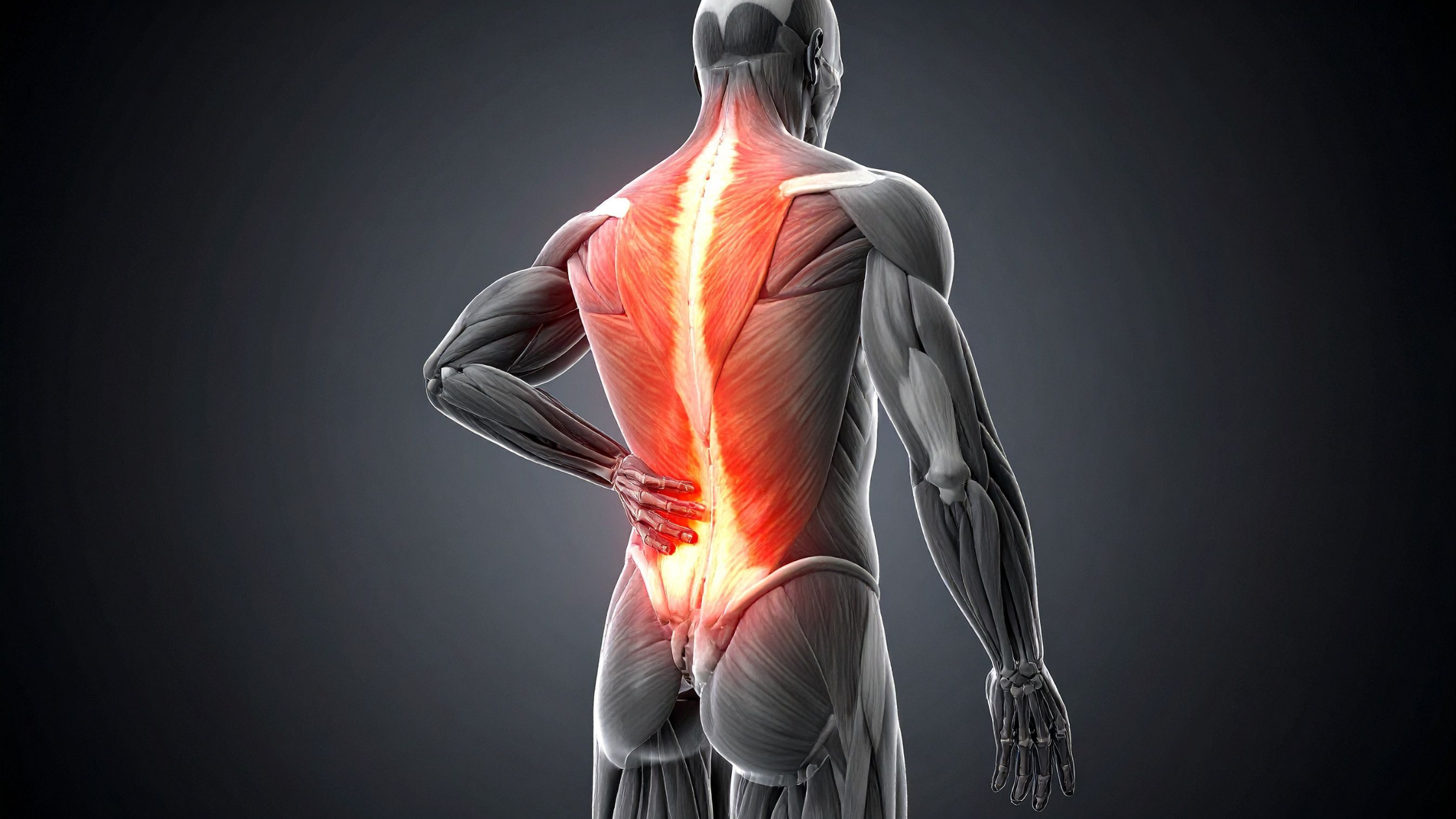
Chronic low back pain affects millions of Americans each year, and for many people, the source of the pain is not the muscles or joints but the spinal discs themselves. Damaged or torn discs can become a persistent source of pain that interferes with work, exercise, sleep, and everyday activities.
For patients seeking alternatives to spinal fusion or other invasive surgeries, the Discseel® Procedure has emerged as an innovative minimally invasive treatment designed to address disc-related pain at its source. Rather than removing or replacing damaged tissue, the procedure aims to seal tears within the spinal discs using the body’s natural healing mechanisms.
Understanding how the Discseel® Procedure works can help patients determine whether it may be an appropriate option for managing chronic disc-related back pain.
What Is the Discseel® Procedure?
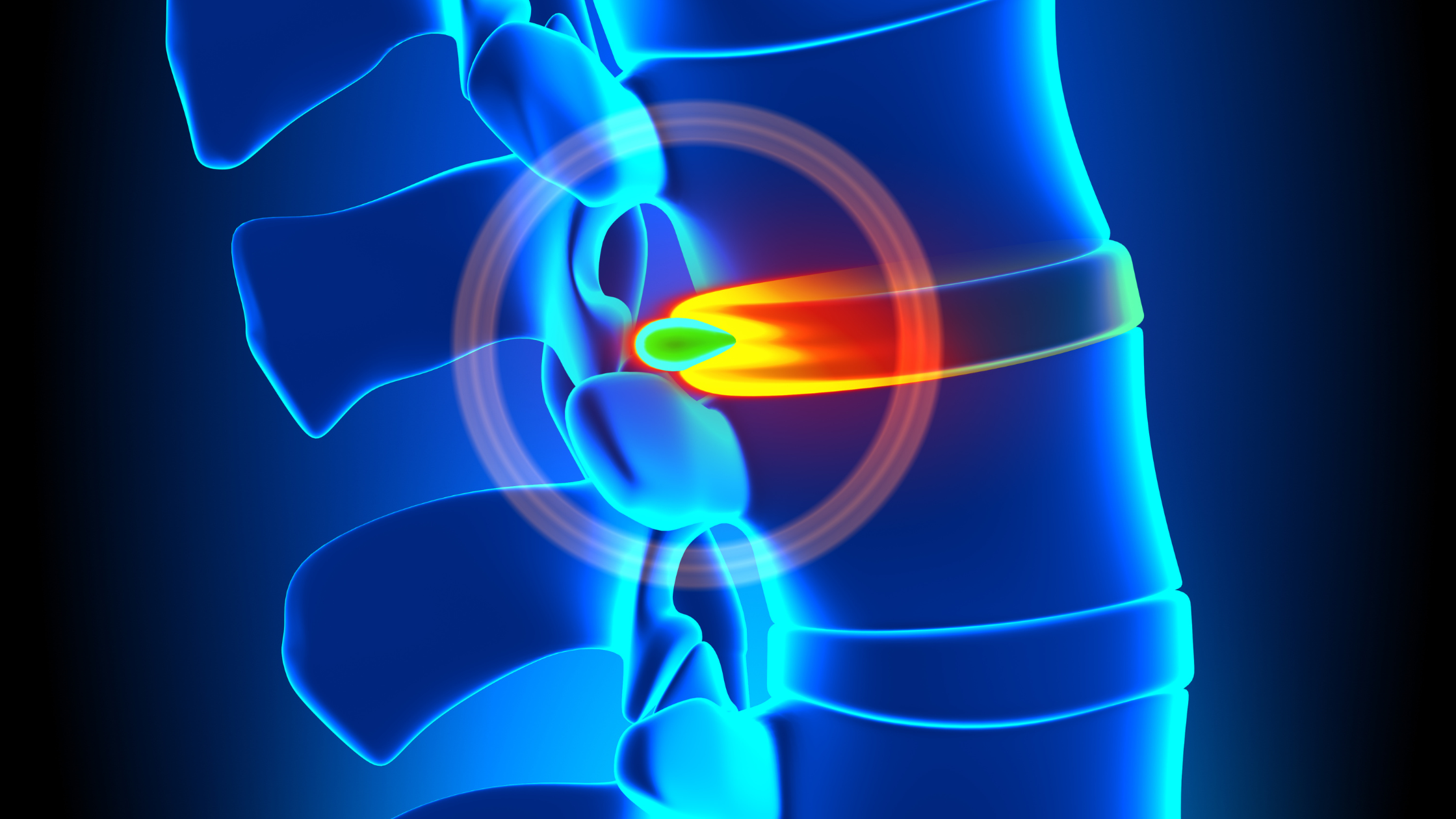
The Discseel® Procedure is a minimally invasive treatment designed to repair painful annular tears, which are small cracks or tears in the outer layer of spinal discs. The Discseel® Procedure uses fibrin, a naturally occurring protein involved in blood clotting, to seal these tears with the goal of reducing inflammation and promoting healing within the damaged disc.
Unlike traditional surgery that removes disc material or fuses spinal segments together, the Discseel® Procedure seeks to preserve the natural structure and movement of the spine while addressing one of the underlying causes of chronic disc pain.
What Causes Disc-Related Back Pain?
Disc-related back pain develops when the cushioning discs between the vertebrae become damaged through aging, repetitive stress, injury, or degeneration. The outer portion of the disc, called the annulus fibrosus, may develop tears that allow inflammatory chemicals to irritate nearby nerves.
Disc-related back pain often causes:
- Persistent low back pain
- Pain that worsens while sitting
- Pain during bending or lifting
- Pain when transitioning from sitting to standing
- Occasional pain radiating into the hips or legs
- Morning stiffness
Because disc pain can mimic other spinal conditions, obtaining an accurate diagnosis is an essential first step before considering treatment.
How Does the Discseel® Procedure Work?
The Discseel® Procedure works by using advanced imaging guidance to precisely deliver fibrin into damaged spinal discs. The fibrin is intended to seal annular tears while supporting the body’s natural healing response.
The procedure is performed through small needles rather than large surgical incisions. Because surrounding muscles, ligaments, and bone remain largely untouched, recovery is generally much quicker than traditional spine surgery.
The overall goal of the Discseel® Procedure is to reduce painful inflammation, stabilize the damaged disc, and improve function without permanently limiting spinal mobility.
Who May Be a Candidate for the Discseel® Procedure?
Candidates for the Discseel® Procedure are typically individuals with chronic back pain that originates from damaged spinal discs rather than arthritis, fractures, or severe spinal instability.
Potential candidates often include patients who:
- Have experienced chronic low back pain for several months
- Have MRI findings suggesting disc degeneration or annular tears
- Continue to have pain despite physical therapy, medications, or injections
- Want to avoid spinal fusion if appropriate
- Have pain confirmed through specialized diagnostic evaluation
Not every patient with back pain is a candidate. A comprehensive evaluation, medical history, physical examination, and imaging studies help determine whether disc-related pain is truly the primary pain generator.
What Happens During the Discseel® Procedure?
The Discseel® Procedure is typically performed in an outpatient setting using fluoroscopic imaging to guide needle placement with precision.
- Patients receive medication for comfort.
- Small needles are guided into the affected spinal discs.
- Fibrin is carefully injected into damaged areas.
- Multiple painful discs may be treated during one session if appropriate.
- Patients are usually able to return home the same day.
The procedure generally requires significantly less recovery time than open spine surgery.
What Are the Benefits of the Discseel® Procedure?
The Discseel® Procedure offers several potential advantages for carefully selected patients with disc-related pain.
- Minimally invasive treatment
- No large surgical incision
- Preservation of spinal motion
- Reduced recovery time
- Outpatient procedure
- May reduce chronic disc pain
- May improve daily function
- May delay or eliminate the need for more invasive surgery
Individual outcomes vary, and success depends on proper patient selection and the underlying condition being treated.
What Is Recovery Like After the Discseel® Procedure?
Recovery following the Discseel® Procedure is generally gradual because the treatment supports the body’s natural healing process.
- Limit heavy lifting during early healing.
- Walk regularly as tolerated.
- Follow a structured rehabilitation program.
- Avoid strenuous activities during recovery.
- Attend scheduled follow-up appointments.
Some patients experience improvement within several weeks, while others continue noticing gradual improvement over several months as healing progresses.
Are There Risks Associated with the Discseel® Procedure?
Like any medical procedure, the Discseel® Procedure carries potential risks, although serious complications are relatively uncommon when performed by experienced physicians.
- Temporary soreness
- Bleeding
- Infection
- Allergic reaction
- Nerve irritation
- Incomplete pain relief
A qualified spine specialist reviews individual risks and expected outcomes before recommending the procedure.
How Does the Discseel® Procedure Compare with Traditional Spine Surgery?
| Discseel® Procedure | Traditional Spine Surgery |
|---|---|
| Minimally invasive | More invasive |
| Outpatient treatment | Often requires hospitalization |
| Small needle entry | Larger surgical incision |
| Preserves spinal motion | Fusion limits movement |
| Faster recovery for many patients | Longer rehabilitation |
When Should You Speak with a Spine Specialist?
Patients should consider consulting a spine specialist when chronic back pain lasts longer than several months, limits daily activities, or does not improve with conservative care.
An experienced physician can determine whether pain originates from the spinal discs, joints, nerves, or surrounding muscles and recommend the most appropriate treatment plan. For some patients, the Discseel® Procedure may offer a minimally invasive option that addresses disc-related pain while preserving the natural function of the spine.
Conclusion
Chronic disc-related back pain can significantly affect mobility, work, and overall quality of life. The Discseel® Procedure represents an innovative minimally invasive approach designed to seal damaged spinal discs and promote healing without the need for extensive surgery.
Although it is not appropriate for every patient, individuals with confirmed disc-related pain who have not found lasting relief through conservative treatments may benefit from learning whether the Discseel® Procedure is an appropriate part of their personalized treatment plan. A comprehensive evaluation by a qualified spine specialist remains the best way to determine the source of chronic back pain and identify the most effective treatment options.