
Understanding Sciatica: Why Nerve Pain Travels From the Back Into the Legs
Sciatica is a common type of nerve pain that can make a problem in the lower back feel like it is happening somewhere else entirely. Pain may begin near the spine and travel through the buttocks, thigh, calf, or even into the foot. Because the symptoms can move along the leg, understanding why sciatica happens can help patients recognize the condition and seek appropriate care.
What Is Sciatica?
Sciatica is pain caused by irritation, inflammation, compression, or injury involving the sciatic nerve or the nerve roots that form it. The sciatic nerve is the largest nerve in the body, beginning from nerve roots in the lower spine and extending through the buttocks and down each leg.
Because the sciatic nerve connects the lower back with the legs, irritation near the spine can produce symptoms far from the original source. This explains why sciatica may cause pain, numbness, tingling, or weakness in the buttock, thigh, calf, or foot.
Why Does Sciatic Nerve Pain Travel From the Back Into the Legs?
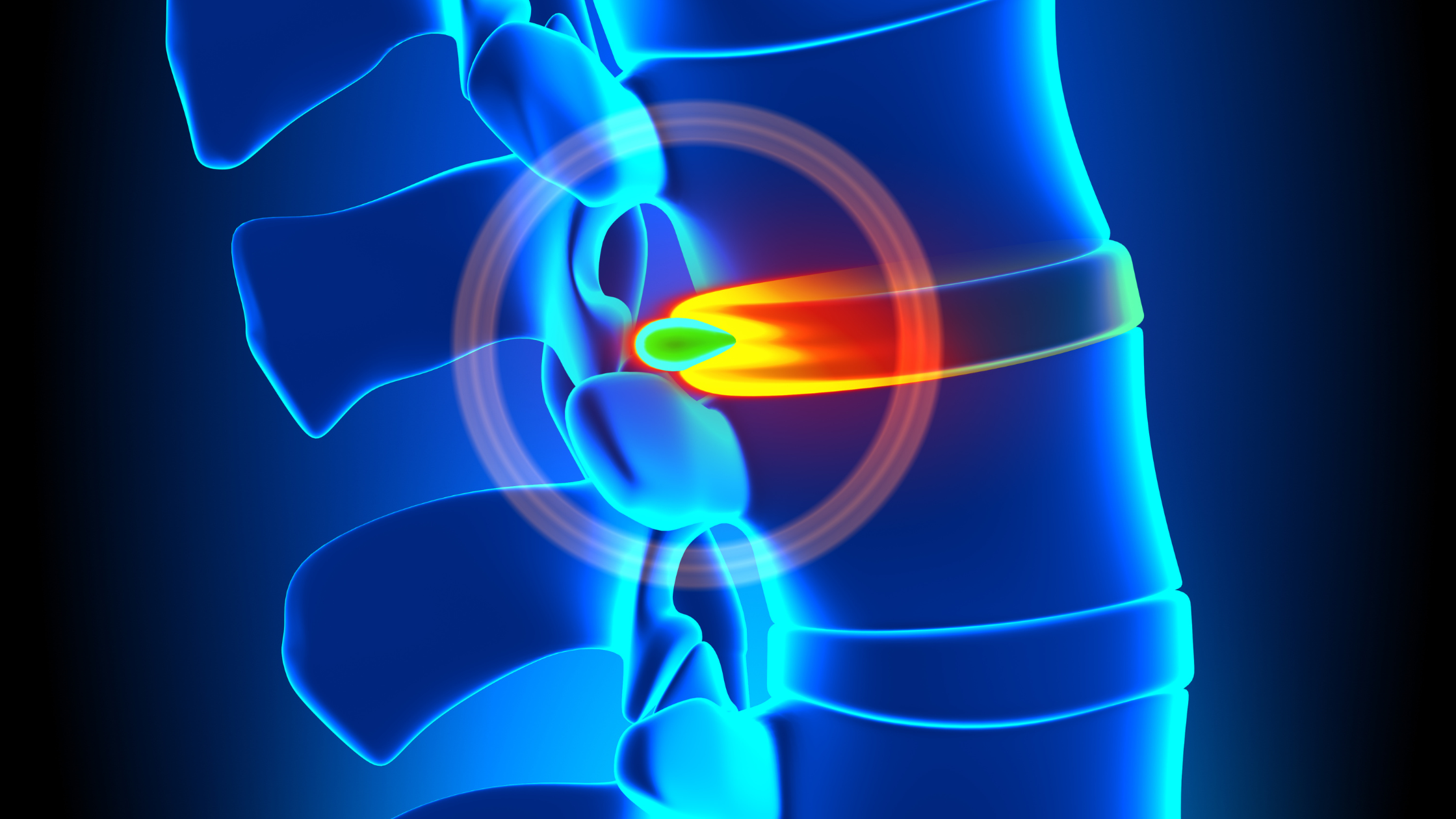
Sciatic nerve pain travels from the back into the legs because the nerves that control sensation and movement in the lower extremities originate in the lumbar and sacral regions of the spine. When one of these nerve roots becomes compressed or irritated, the brain can interpret the resulting signals along the nerve’s pathway.
This pattern is known as radiating or radicular pain. Rather than remaining in one location, the discomfort can follow a relatively predictable path into the buttock and leg.
What Causes Sciatica?
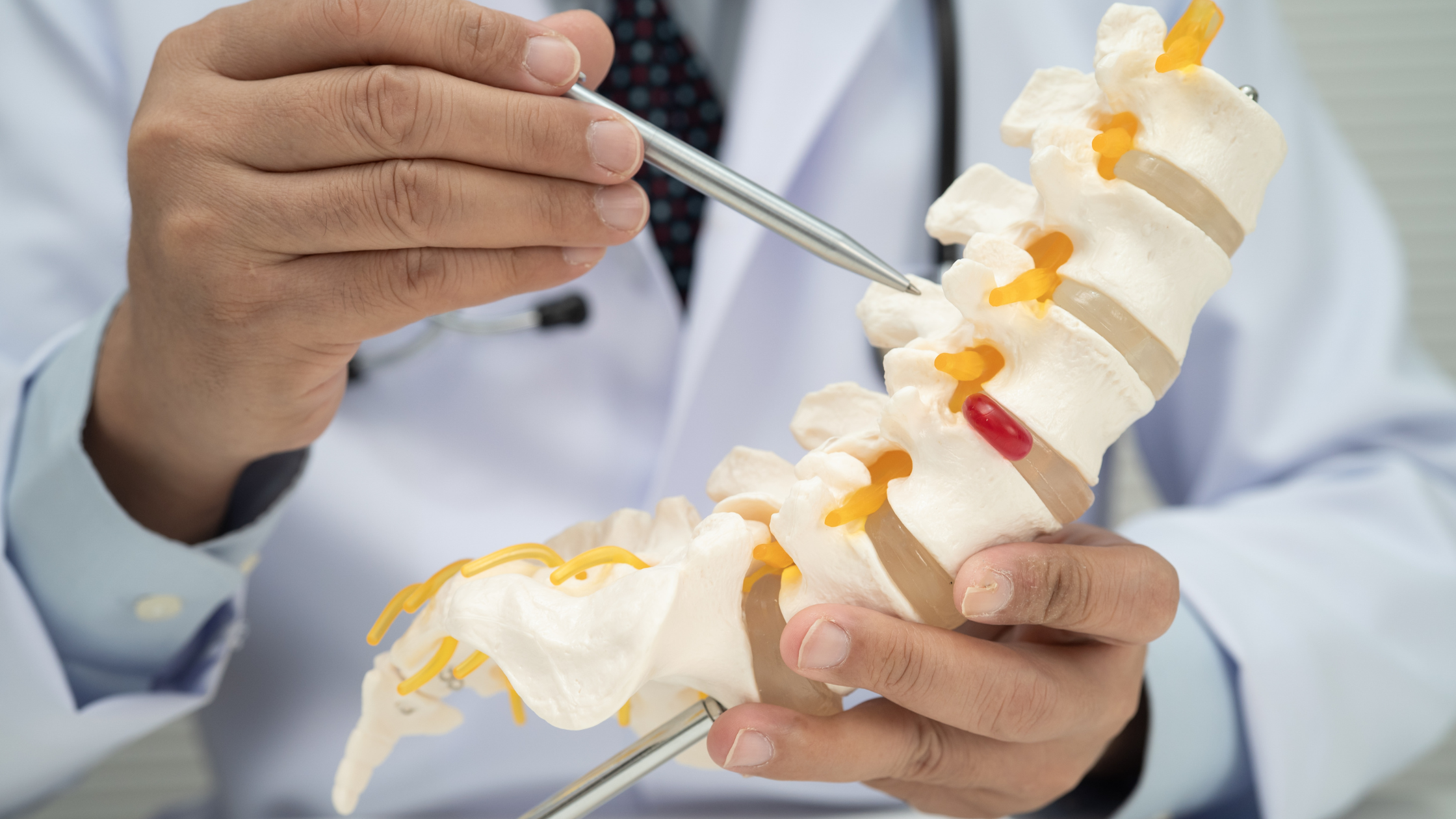
Sciatica can have several causes, but a herniated disc is one of the most common. A herniated disc occurs when the soft inner material of a spinal disc pushes through a weakened or damaged outer portion and irritates a nearby nerve.
Other causes include spinal stenosis, which is narrowing of the spaces where spinal nerves travel; degenerative changes in the spine; bone spurs; and, less commonly, conditions such as spinal tumors or infections.
Sciatica can also develop after certain injuries or activities that place repeated stress on the lower back.
What Does Sciatica Feel Like?
Sciatica often feels different from ordinary lower back soreness. Sciatica may cause sharp, burning, electric, or shooting pain that extends from the lower back or buttock into the leg.
Some people experience numbness or tingling, often described as pins and needles. Others may notice muscle weakness in the leg or foot. Symptoms can occur on one side or, less commonly, both sides.
The location and intensity of sciatica symptoms depend on which nerve root is affected and how severely it is irritated.
Can Sciatica Cause Leg Pain Without Much Back Pain?
Yes, sciatica can cause significant leg pain even when back pain is mild or absent. This happens because the affected nerve root is responsible for sensation and function along portions of the leg.
For that reason, persistent leg pain should not automatically be assumed to be a muscle strain or joint problem. A medical evaluation can help determine whether the symptoms are coming from the spine, nerves, muscles, or another structure.
How Is Sciatica Diagnosed?
Sciatica is usually diagnosed through a medical history and physical examination. A clinician may evaluate strength, sensation, reflexes, walking ability, and specific movements that can reproduce symptoms.
Imaging is not always necessary when symptoms are mild and improving. When symptoms are persistent, severe, unusual, or associated with neurological changes, imaging such as magnetic resonance imaging may help identify a herniated disc, spinal stenosis, or another structural cause.
How Is Sciatica Treated?
Treatment for sciatica depends on its cause, severity, duration, and effect on daily activities. Many cases improve with conservative care, which may include activity modification, physical therapy, targeted exercises, and other non-surgical approaches.
When pain persists or a specific spinal problem is identified, interventional treatments may be considered. Depending on the underlying condition, options can include epidural steroid injections or other targeted procedures. Surgery may be appropriate in selected cases, particularly when significant nerve compression causes progressive weakness or when other treatments fail to provide adequate relief.
When Should Someone Seek Medical Care for Sciatica?
Persistent, worsening, or severe sciatic pain deserves medical evaluation, particularly when it interferes with walking, sleeping, work, or everyday activities. New or progressive weakness in the leg or foot should also be evaluated promptly.
Certain symptoms require urgent medical attention. These include significant or rapidly worsening weakness, loss of bladder or bowel control, or numbness in the area around the groin and inner thighs. These symptoms can indicate serious nerve compression and should not be ignored.
Can Sciatica Be Prevented?
Sciatica cannot always be prevented, but maintaining a healthy spine can reduce some risk factors. Regular physical activity, strengthening the core and supporting muscles, using proper lifting techniques, maintaining good posture, and avoiding prolonged periods of inactivity can all support lower back health.
Because causes vary, prevention also depends on addressing underlying spinal conditions and avoiding activities that repeatedly aggravate symptoms.
What Is the Outlook for People With Sciatica?
The outlook for sciatica is generally favorable, particularly when symptoms are caused by a temporary irritation of a spinal nerve. However, symptoms that persist, recur frequently, or are accompanied by neurological changes may require a more comprehensive evaluation.
Understanding why nerve pain travels from the back into the legs is an important first step. Sciatica is not simply a problem with the leg. In many cases, the source is a nerve or spinal structure in the lower back, and identifying that source can help guide an appropriate treatment plan.
Medical Disclaimer: This article is for educational purposes only and is not a substitute for professional medical advice, diagnosis, or treatment. Anyone experiencing persistent, severe, or worsening symptoms should seek evaluation from a qualified healthcare professional.