
Epidural Steroid Injections for Back and Neck Pain: When Are They Used and What Can Patients Expect?
Epidural steroid injections are a minimally invasive treatment option for certain types of back pain, neck pain, and nerve-related symptoms. By delivering anti-inflammatory medication into the epidural space surrounding the spinal nerves, these injections may help reduce inflammation, relieve radiating pain, and improve mobility. They are commonly considered when symptoms persist despite conservative treatments such as physical therapy, activity modification, and medication.
Understanding when epidural steroid injections are recommended, how the procedure works, and what recovery involves can help patients make informed decisions about managing spinal pain.
What Are Epidural Steroid Injections for Back and Neck Pain?
Epidural steroid injections are treatments that deliver corticosteroid medication into the epidural space, the area surrounding the spinal cord and spinal nerve roots. The medication helps reduce inflammation that may irritate nerves and cause pain.
The injection typically contains a corticosteroid, which reduces inflammation, and may include a local anesthetic to provide temporary numbing. Unlike medications taken by mouth, an epidural injection delivers medication close to the affected spinal nerves.
Epidural steroid injections are most often used for pain that travels from the spine into an arm, hand, buttock, or leg. This type of pain can occur when a spinal nerve becomes irritated or compressed. Although the injection may reduce symptoms, it does not repair a herniated disc, reverse arthritis, or eliminate structural changes in the spine.
When Are Epidural Steroid Injections Recommended?
Epidural steroid injections may be recommended when back or neck pain is associated with nerve inflammation and symptoms have not improved sufficiently with conservative care.
A physician may consider an injection for patients experiencing:
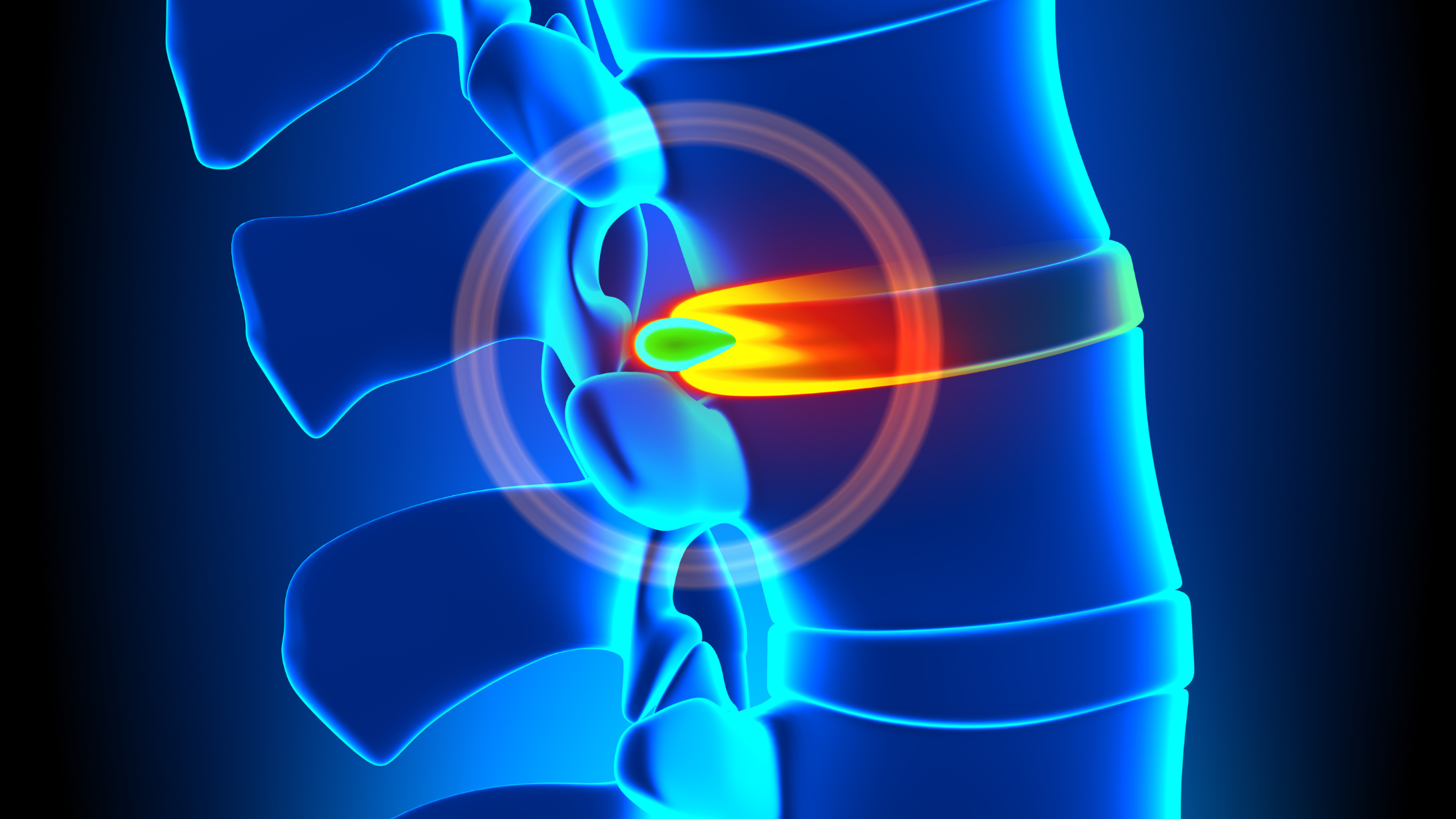
- Herniated or bulging discs: Disc material may irritate or compress nearby nerve roots, causing pain that radiates into an arm or leg.
- Spinal stenosis: Narrowing of the spinal canal or nerve openings may place pressure on spinal nerves.
- Cervical radiculopathy: Irritation of a nerve in the neck may cause pain, tingling, numbness, or weakness in the shoulder, arm, or hand.
- Lumbar radiculopathy or sciatica: Irritation of a nerve in the lower back may produce pain that travels through the buttock and down the leg.
- Certain degenerative spinal conditions: Age-related changes may contribute to inflammation and nerve irritation that respond to targeted treatment.
An epidural injection is not appropriate for every type of spinal pain. Pain caused primarily by muscle strain or certain spinal joint problems may require a different treatment approach. A clinical evaluation helps determine whether nerve inflammation is likely to be contributing to the symptoms.
How Do Epidural Steroid Injections Relieve Pain?
Epidural steroid injections work by reducing inflammation around irritated spinal nerves. When a disc herniation or narrowed spinal opening affects a nerve, the resulting inflammation can contribute to pain, sensitivity, and difficulty moving comfortably.
Corticosteroids help calm this inflammatory response. As irritation decreases, patients may experience less radiating pain and greater tolerance for everyday activities.
The amount of relief varies. Some patients experience substantial improvement, while others notice only modest or temporary changes. The injection does not remove the underlying source of nerve compression, and pain may return if the original condition continues to affect the nerve.
Epidural steroid injections are often most useful as part of a broader treatment plan. Reduced pain may allow patients to participate more effectively in physical therapy, improve movement, and gradually resume normal activities.
What Happens During an Epidural Steroid Injection?
An epidural steroid injection is typically performed in an outpatient setting and does not usually require general anesthesia. The procedure often takes only a short time, although preparation and post-procedure monitoring add to the overall visit.
The process generally includes the following steps:
- Positioning: The patient lies on an examination table in a position that allows the physician to access the appropriate area of the spine.
- Preparation: The skin is cleaned, and a local anesthetic is used to numb the injection site.
- Image guidance: The physician typically uses fluoroscopy, a type of real-time X-ray imaging, to guide the needle toward the intended epidural space. Contrast dye may be used to help confirm needle placement.
- Medication delivery: The corticosteroid, sometimes combined with a local anesthetic, is injected into the targeted area.
- Monitoring: The patient is observed briefly before leaving with instructions for recovery and follow-up.
The injection approach depends on the location and suspected cause of the symptoms. Common approaches include interlaminar, transforaminal, and caudal injections. Each provides a different route to the epidural space, and the physician selects the approach based on the patient’s condition and treatment goals.
How Long Does It Take for an Epidural Steroid Injection to Work?
The time required for an epidural steroid injection to relieve pain varies from patient to patient. Some individuals notice temporary improvement within hours because of the local anesthetic. However, that initial effect may wear off before the corticosteroid begins working.
The anti-inflammatory effect may become noticeable over the next two to seven days, although some patients require longer to experience meaningful improvement. Others may not respond to the injection.
Relief can last for several weeks or months in some cases, but the duration is unpredictable. The outcome depends on factors such as the underlying diagnosis, the severity of nerve irritation, and the patient’s overall health.
Patients should contact their treating physician if symptoms worsen significantly or if expected improvement does not occur. Follow-up helps determine whether additional treatment, a different injection approach, or further diagnostic evaluation is appropriate.
What Can Patients Expect During Recovery?
Most patients return home shortly after an epidural steroid injection and resume light activities according to their physician’s instructions. Temporary soreness at the injection site is possible, and pain may briefly increase before improving.
Patients are generally advised to arrange transportation if sedation was used and to follow specific instructions about driving, exercise, and returning to work. Strenuous activity may need to be limited for a short period.
Possible side effects include temporary flushing, headache, dizziness, changes in blood sugar, and localized soreness. Less common but serious complications include infection, bleeding, nerve injury, or complications involving the spinal fluid. Patients should seek urgent medical attention for new or progressive weakness, loss of bladder or bowel control, fever with worsening pain, or a severe headache that develops after the procedure.
People with diabetes, bleeding disorders, active infections, or medications that affect blood clotting should discuss these issues with their physician before treatment.
How Many Epidural Steroid Injections Can a Patient Receive?
There is no single injection schedule that is appropriate for everyone. The decision to repeat an epidural steroid injection depends on how much relief the first procedure provides, how long the benefit lasts, the patient’s medical history, and the risks associated with additional steroid exposure.
Physicians generally evaluate the response to each injection rather than automatically scheduling a series. Repeated corticosteroid exposure can cause side effects, including elevated blood sugar and potential effects on bone health, particularly with frequent or cumulative use.
If an injection provides little or no meaningful benefit, repeating it may not be the best next step. A physician may instead recommend additional evaluation, physical rehabilitation, another targeted treatment, or a surgical consultation when appropriate.
Are Epidural Steroid Injections a Substitute for Surgery?
Epidural steroid injections may help some patients manage pain without surgery, but they are not a replacement for surgery in every situation. Their primary purpose is to reduce inflammation and relieve symptoms rather than correct structural problems.
For patients with nerve irritation who do not have progressive neurological deficits, an injection may provide enough relief to support rehabilitation and continued nonsurgical care. Others may require surgery if nerve compression is severe, symptoms persist despite appropriate treatment, or neurological function deteriorates.
New or progressive arm or leg weakness, difficulty walking, or changes in bladder or bowel function require prompt medical assessment. Sudden or severe neurological symptoms may indicate a medical emergency.
Who Is a Good Candidate for an Epidural Steroid Injection?
A good candidate for an epidural steroid injection generally has symptoms consistent with spinal nerve irritation, a clinical evaluation that supports the diagnosis, and pain that has not improved adequately with conservative treatment.
The physician considers the patient’s symptoms, physical examination, medical history, and imaging findings when determining whether an injection is appropriate. Not every abnormality seen on an MRI causes pain, so imaging findings must be interpreted alongside the patient’s symptoms.
For individuals experiencing persistent back pain, neck pain, sciatica, or radiating arm pain, an evaluation by a qualified pain management specialist can help identify the source of symptoms and determine whether an epidural steroid injection is a reasonable option.
The bottom line: Epidural steroid injections can offer meaningful, sometimes temporary relief for selected patients with inflammatory spinal nerve pain. When used appropriately, they may improve comfort, support physical rehabilitation, and help patients make progress toward their functional goals.