
Intracept® Procedure for Vertebrogenic Back Pain: What Patients Should Know About Basivertebral Nerve Ablation
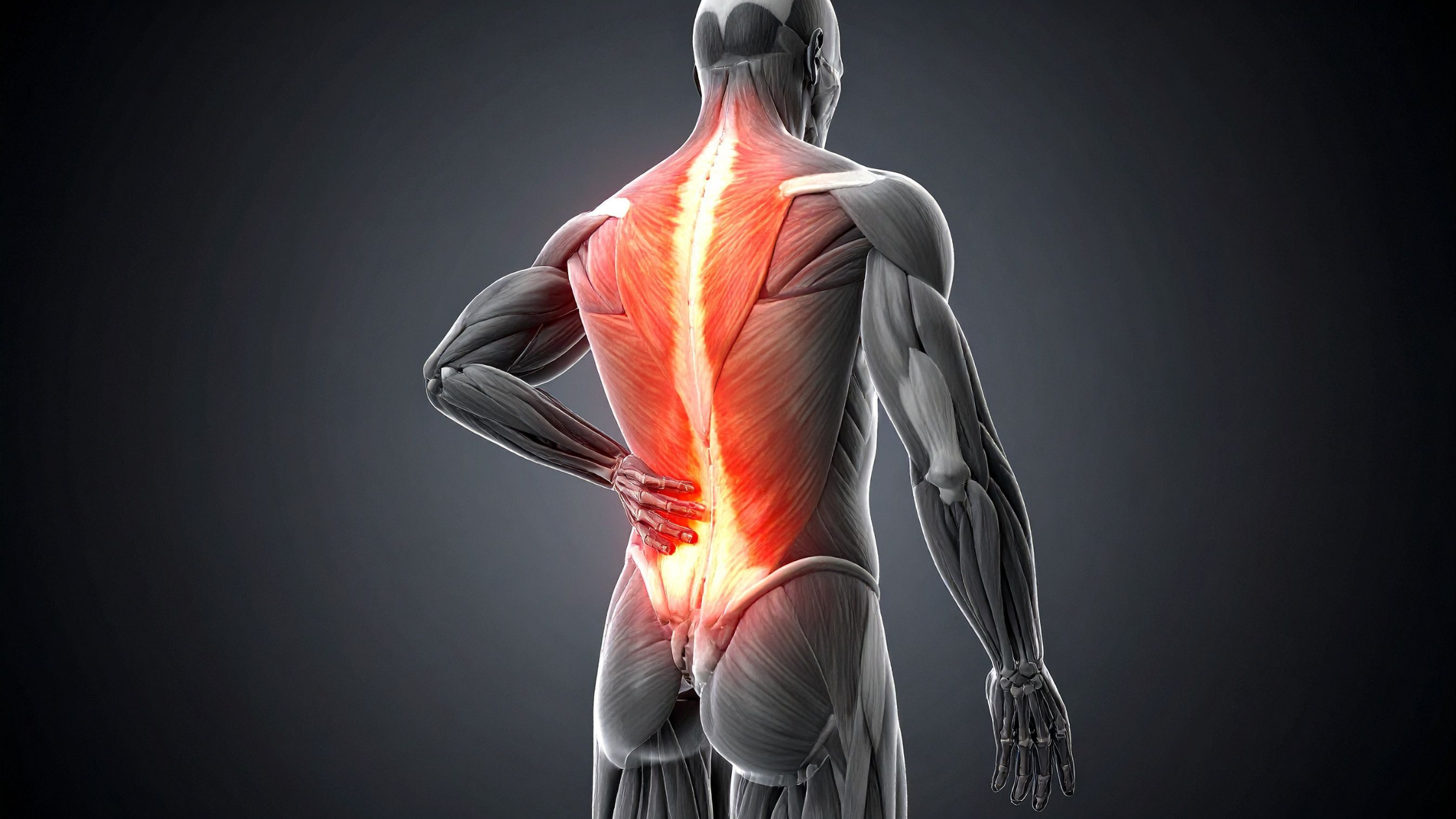
Chronic low back pain is often discussed as though it were a single condition, but the reality is more complicated. Pain can originate from the muscles, facet joints, spinal discs, sacroiliac joints, nerves, or other structures in and around the spine. For some patients with chronic low back pain, however, the source may be inside the vertebral bones themselves.
This type of pain, known as vertebrogenic low back pain, is associated with changes in the vertebral endplates and may involve the basivertebral nerve. The Intracept® Procedure is a minimally invasive treatment designed to target this nerve through a procedure called basivertebral nerve ablation.
Understanding how vertebrogenic pain is identified, who may qualify for treatment, and what patients can expect can help clarify whether the Intracept® Procedure may be part of a comprehensive treatment plan.
What Is Vertebrogenic Low Back Pain?
Vertebrogenic low back pain is chronic pain believed to originate from the vertebral endplates, which are located between the spinal discs and the vertebral bones. These endplates can become damaged or inflamed as the spine undergoes degenerative changes.
The basivertebral nerve carries pain signals from the vertebral body and endplates to the brain. In certain patients, chronic irritation and structural changes in this area may contribute to persistent low back pain.
Vertebrogenic pain can be difficult to distinguish from other causes of back pain because symptoms may overlap. Patients may experience persistent pain in the lower back that affects sitting, bending, daily activities, work, and overall mobility.
One important part of the diagnostic process is identifying changes known as Modic changes on an MRI. These changes in the vertebral bone marrow near the endplates may help physicians determine whether the vertebral endplates and basivertebral nerve could be contributing to a patient’s symptoms.
How Is Vertebrogenic Back Pain Diagnosed?
Diagnosing vertebrogenic back pain typically requires more than simply identifying where the patient feels discomfort. Because low back pain can have multiple possible causes, a physician generally combines a patient’s medical history, physical examination, imaging studies, and previous treatment history.
MRI imaging is particularly important because it can reveal Modic changes involving the vertebral endplates. These imaging findings, combined with chronic symptoms and clinical evaluation, may support a diagnosis of vertebrogenic low back pain.
The diagnostic process also involves ruling out or identifying other potential pain generators. For example, symptoms related to spinal stenosis, nerve compression, facet joint pain, sacroiliac joint dysfunction, or other spinal conditions may require different treatment approaches.
A precise diagnosis is essential because the Intracept® Procedure is designed specifically for appropriately selected patients with vertebrogenic low back pain.
What Is the Intracept® Procedure?
The Intracept® Procedure is a minimally invasive treatment that uses radiofrequency energy to ablate, or interrupt, the basivertebral nerve within the vertebral body.
The goal of basivertebral nerve ablation is to reduce the transmission of pain signals associated with damaged or degenerative vertebral endplates. Rather than treating pain from outside the spine, the procedure targets a nerve located within the affected vertebral bone.
During the procedure, a physician uses specialized imaging guidance to access the vertebral body. A device is positioned near the basivertebral nerve, and radiofrequency energy is delivered to create a controlled lesion that interrupts the nerve’s ability to transmit pain signals.
The procedure is typically performed in an outpatient setting or an appropriate procedural facility, depending on the patient’s individual circumstances and treatment plan.
Who May Be a Candidate for Basivertebral Nerve Ablation?
Not every patient with chronic low back pain is a candidate for the Intracept® Procedure. Basivertebral nerve ablation is intended for carefully selected patients whose symptoms and imaging findings are consistent with vertebrogenic pain.
A patient may be considered for evaluation when they have:
- Chronic low back pain that has persisted for an extended period
- Pain that has not responded adequately to appropriate conservative treatments
- MRI findings consistent with Modic changes at the affected vertebral levels
- Clinical findings that support vertebrogenic low back pain as a likely pain source
The exact eligibility criteria can vary based on a patient’s anatomy, medical history, imaging results, prior treatments, and the presence of other spinal conditions. A comprehensive evaluation is necessary to determine whether basivertebral nerve ablation is appropriate.
What Happens During the Intracept® Procedure?
The Intracept® Procedure is performed using imaging guidance to help the physician accurately access the targeted vertebral body.
A small incision is made, and specialized instruments are guided into the appropriate location within the vertebra. Once the treatment device is positioned near the basivertebral nerve, radiofrequency energy is used to ablate the nerve.
Because the procedure is minimally invasive, it does not involve the same type of large incision or extensive tissue disruption associated with traditional open spine surgery. However, it is still a medical procedure, and patients should discuss anesthesia, preparation, recovery, and potential risks with their treating physician.
The exact experience can vary depending on the number of vertebral levels being treated and the patient’s overall health.
How Long Does Recovery Take After the Intracept® Procedure?
Recovery after basivertebral nerve ablation varies from patient to patient. Some individuals may return home the same day, while the timing of a return to work, exercise, or other activities depends on the physician’s recommendations and the patient’s recovery.
It is also important for patients to understand that pain improvement may not necessarily be immediate. The body’s response to the procedure and the interruption of pain signaling can vary.
A physician may recommend temporary activity modifications and provide individualized guidance regarding movement, rehabilitation, and the gradual return to normal activities.
What Are the Potential Benefits of Basivertebral Nerve Ablation?
For appropriately selected patients, basivertebral nerve ablation is designed to address a specific source of chronic low back pain rather than providing only temporary symptom management.
Potential benefits may include:
- A minimally invasive approach
- Treatment directed at the basivertebral nerve
- No implanted spinal device
- No need for an open surgical procedure
- Potential improvement in pain and physical function for appropriately selected patients
Clinical studies have reported sustained improvements in pain and function for selected patients following basivertebral nerve ablation. Individual results can vary, and treatment outcomes depend on factors including accurate diagnosis and appropriate patient selection.
What Risks Should Patients Understand?
Like any medical procedure, the Intracept® Procedure carries potential risks. These may include complications associated with anesthesia, infection, bleeding, temporary increases in pain, nerve or tissue injury, or other procedure-related complications.
Patients may also have conditions that make the procedure inappropriate or require additional evaluation. This is one reason why a thorough medical history, physical examination, and review of imaging are important before treatment.
Patients should discuss the potential benefits, limitations, alternatives, and risks of basivertebral nerve ablation with a qualified physician.
How Is the Intracept® Procedure Different From Other Back Pain Treatments?
The Intracept® Procedure is different from many other treatments because it targets a specific nerve associated with vertebrogenic pain inside the vertebral body.
Other interventions may target different structures. For example, epidural injections may address inflammation or irritation involving spinal nerves, while facet joint procedures target pain arising from the facet joints. Radiofrequency ablation used for facet-mediated pain also targets different nerves than basivertebral nerve ablation.
Because different spinal structures can produce similar symptoms, identifying the underlying pain generator is a critical step in selecting treatment.
What Should Patients Ask Before Considering the Intracept® Procedure?
Patients considering basivertebral nerve ablation may benefit from asking:
- Is my pain consistent with vertebrogenic low back pain?
- Do my MRI findings show Modic changes associated with vertebral endplate damage?
- Have other possible sources of my back pain been evaluated?
- Am I an appropriate candidate for the Intracept® Procedure?
- What should I expect before, during, and after treatment?
- What are the potential risks and alternatives?
- When might I be able to return to work, exercise, and other normal activities?
The Bottom Line: Accurate Diagnosis Comes First
The Intracept® Procedure represents a targeted treatment option for appropriately selected patients with chronic vertebrogenic low back pain. By using basivertebral nerve ablation to interrupt pain signaling from the vertebral endplates, the procedure addresses a specific source of chronic pain that may not respond adequately to more generalized treatments.
However, the most important step is determining whether vertebrogenic pain is truly the source of a patient’s symptoms. A thorough evaluation, including clinical assessment and MRI findings, can help distinguish vertebrogenic low back pain from other spinal conditions.
For patients living with persistent low back pain, understanding the underlying cause may open the door to more targeted treatment options. Basivertebral nerve ablation is not appropriate for every type of back pain, but for the right patient, the Intracept® Procedure may offer a minimally invasive approach to treating a specific and identifiable pain generator.
This article is intended for educational purposes only and should not replace individualized medical advice, diagnosis, or treatment. Patients should consult a qualified healthcare professional to determine the most appropriate treatment for their condition.