Spinal Stenosis Symptoms: Why Standing and Walking Can Become Painful Over Time
For many people, spinal stenosis develops gradually. At first, symptoms may be occasional or easy to dismiss as normal aging. Over time, however, standing for several minutes or walking a short distance may trigger back pain, leg discomfort, numbness, weakness, or cramping.
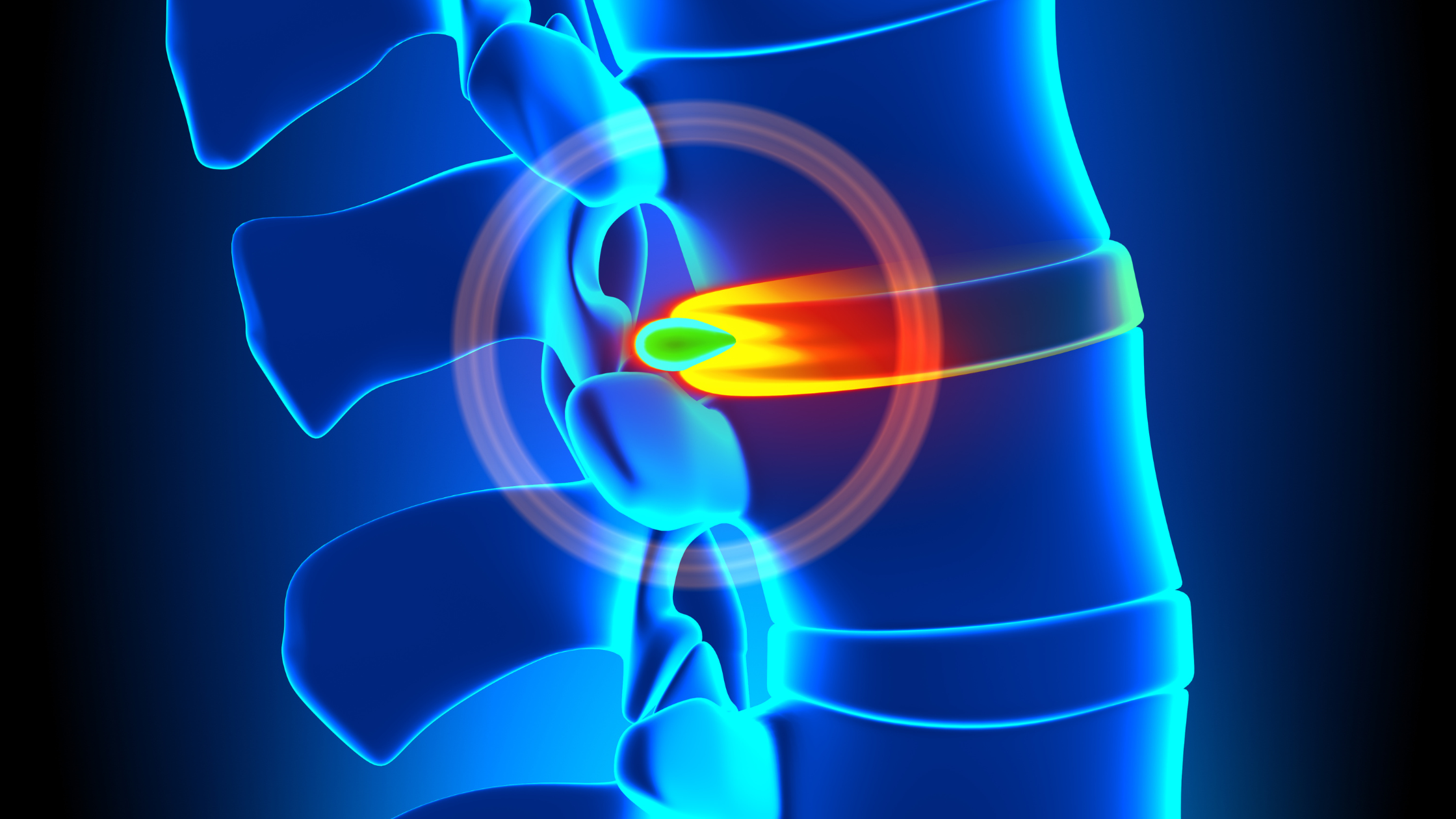
This pattern is particularly common with lumbar spinal stenosis, which occurs when the spinal canal or openings where nerves pass through the lower back become narrower. As the available space decreases, spinal nerves can become compressed, especially during certain positions and activities.
Understanding why spinal stenosis symptoms often become worse with standing and walking can help patients recognize the condition and seek appropriate treatment before mobility becomes significantly limited.
What Is Spinal Stenosis?
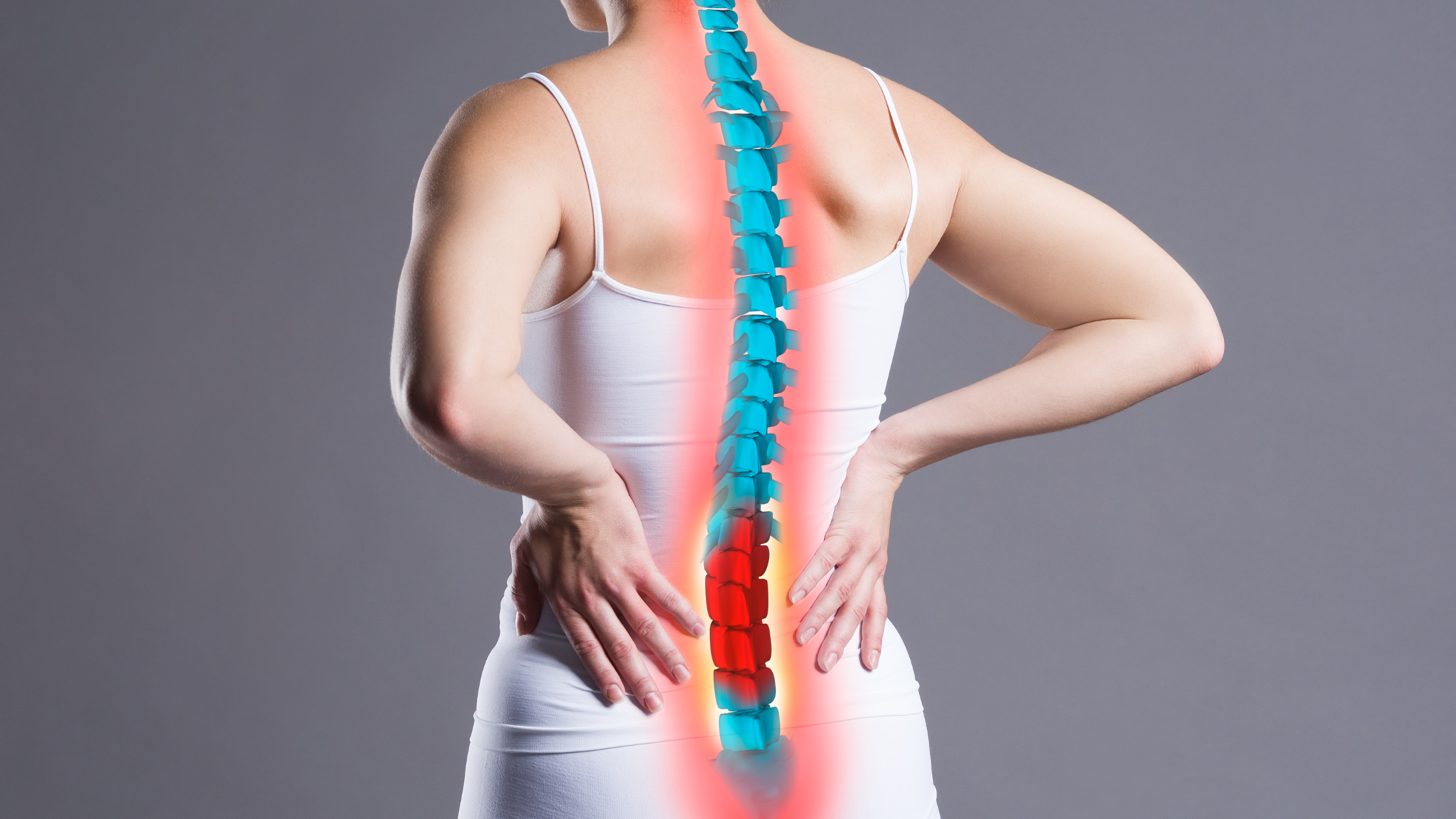
Spinal stenosis is a narrowing of the spaces within the spine that can place pressure on the spinal cord or nearby nerves. It most commonly affects the lower back and neck and becomes more common with age.
In the lumbar spine, narrowing can develop as the result of age-related changes such as arthritis, bone spurs, thickened ligaments, or changes involving the spinal discs. Several of these changes may occur at the same time.
Not everyone with spinal stenosis develops symptoms. In fact, imaging may show spinal narrowing in people who have little or no pain. Symptoms generally occur when the narrowing affects nerves enough to cause irritation or compression.
Why Does Spinal Stenosis Make Standing and Walking Painful?
Standing and walking can become painful with lumbar spinal stenosis because certain positions can further reduce the space available for spinal nerves.
When a person stands upright or walks, the lower back generally moves into a more extended position. In someone with spinal stenosis, this can contribute to additional narrowing around already compressed nerves.
As a result, symptoms may gradually appear during activity. A person might begin a walk feeling relatively comfortable but develop aching, burning, tingling, heaviness, or weakness in the buttocks and legs after a certain amount of time.
This symptom pattern is commonly called neurogenic claudication. Symptoms often improve after sitting down or bending forward because those positions can increase the available space around the nerves.
What Are the Most Common Symptoms of Lumbar Spinal Stenosis?
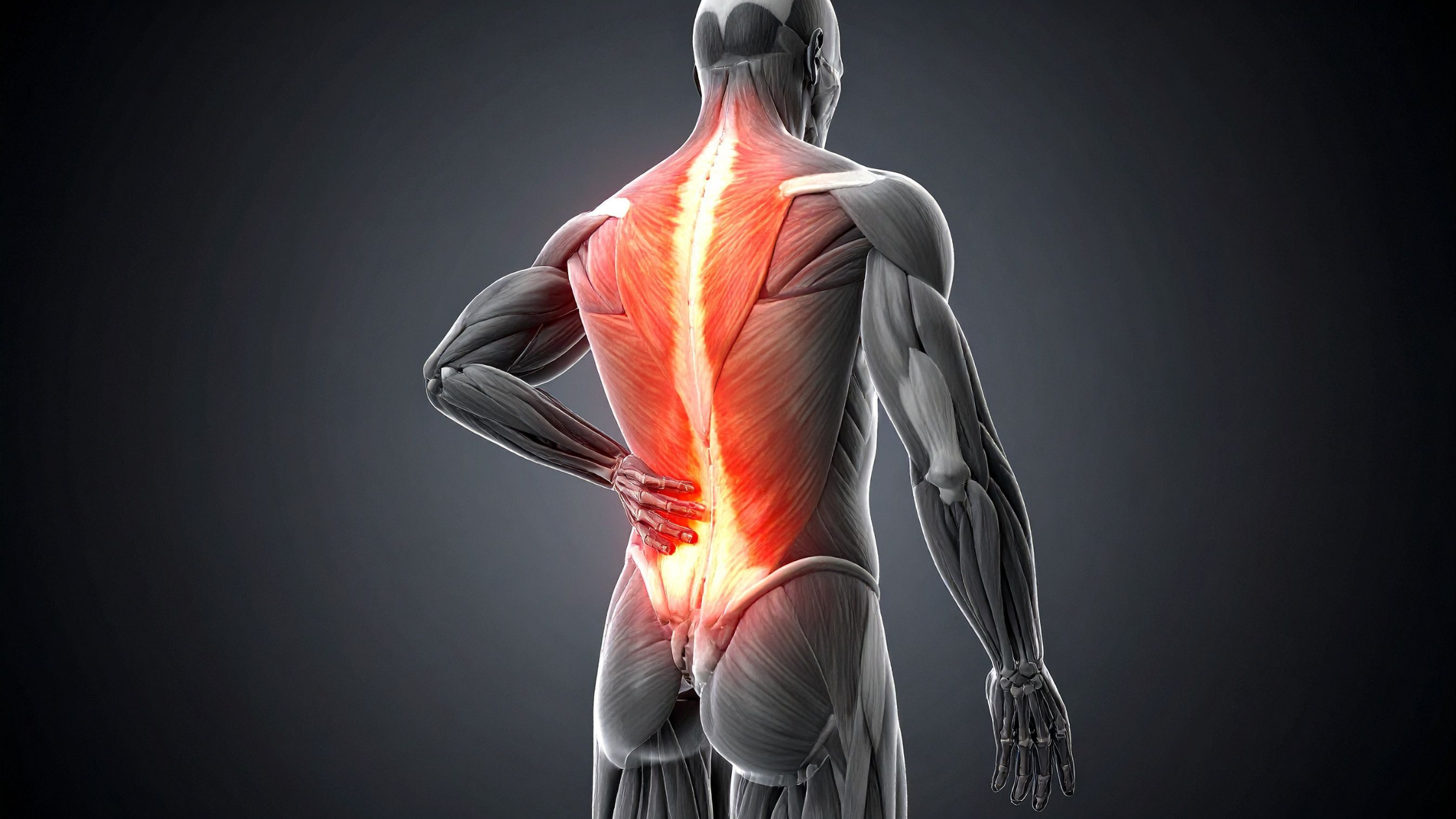
Common lumbar spinal stenosis symptoms include lower back pain, leg pain, cramping, numbness, tingling, weakness, or a feeling of heaviness in the legs.
Symptoms may affect one or both legs and can vary from person to person. Some people primarily notice leg symptoms rather than significant back pain.
- Pain or discomfort after standing for a period of time
- Leg pain or cramping while walking
- Numbness or tingling in the legs or feet
- Weakness or heaviness in the legs
- Reduced walking distance
- Symptoms that improve when sitting
- Relief when leaning forward over a shopping cart, counter, or walker
Because symptoms can develop gradually, patients may initially believe they are simply becoming less active with age. A progressive reduction in walking tolerance, however, can be an important sign that spinal nerves are being affected.
Why Does Bending Forward Sometimes Feel Better?
Bending forward can temporarily relieve spinal stenosis symptoms because it may create more room for compressed nerves in the lower spine.
This explains why some people with lumbar spinal stenosis naturally lean forward while walking. Patients may notice that they can tolerate grocery shopping when leaning on a cart but experience more pain when walking upright without support.
Sitting often provides even greater relief. This characteristic difference between walking or standing and sitting can provide an important clue when evaluating possible lumbar spinal stenosis.
Can Spinal Stenosis Symptoms Get Worse Over Time?
Spinal stenosis symptoms can become more noticeable or disabling over time, although the progression varies from person to person.
Degenerative changes in the spine can continue as people age. Bone spurs, disc changes, arthritis, and thickening of spinal ligaments can contribute to progressively less space around the nerves.
However, having spinal stenosis on an MRI does not automatically mean symptoms will continue to worsen. Treatment decisions are based on the patient’s symptoms, physical examination, functional limitations, and imaging findings rather than an MRI alone.
How Is Spinal Stenosis Diagnosed?
Spinal stenosis is diagnosed using a combination of a patient’s symptoms, medical history, physical examination, and, when appropriate, imaging studies.
An MRI can provide detailed images of the spinal canal, discs, ligaments, and nerves. X-rays may identify changes involving the bones, while CT imaging can provide additional information when an MRI is not appropriate.
A healthcare professional may also evaluate muscle strength, reflexes, sensation, walking ability, and how symptoms change with different positions or activities.
What Treatments Can Help Spinal Stenosis Without Surgery?
Nonsurgical spinal stenosis treatment may include physical therapy, activity modifications, exercise, assistive devices, medications, and selected injections, depending on the patient’s symptoms and overall health.
Physical therapy may focus on improving strength, flexibility, endurance, posture, and stability. Some patients may also benefit from modifying activities that consistently trigger symptoms while maintaining appropriate physical activity.
A cane or walker may improve stability and, in some cases, allow a person to walk in a slightly flexed position that reduces symptoms.
For patients whose symptoms remain limiting despite conservative care, an interventional pain specialist may discuss whether an injection or another minimally invasive treatment is appropriate. The best approach depends on what is causing the symptoms and whether the primary problem involves nerve compression, inflammation, or another source of pain.
When Should Someone See a Doctor About Spinal Stenosis Symptoms?
Someone should seek medical evaluation when back or leg symptoms consistently interfere with walking, standing, exercise, work, sleep, or everyday activities.
A declining ability to walk familiar distances, increasing leg numbness or weakness, or needing to sit frequently because of pain should not simply be dismissed as part of getting older.
Prompt medical attention is particularly important for sudden or significant weakness, new problems with bladder or bowel control, or severe changes in sensation. These symptoms can indicate serious nerve involvement and require urgent evaluation.
Can Spinal Stenosis Be Managed Without Surgery?
Yes, many people with symptomatic spinal stenosis can initially be managed without surgery, although treatment depends on the severity and cause of their symptoms.
Conservative treatment may help reduce pain and improve mobility. Physical therapy, exercise, activity modification, and other nonsurgical approaches are commonly considered before surgery when medically appropriate.
For patients whose symptoms significantly affect their quality of life or do not respond adequately to nonsurgical treatment, a spine specialist can discuss additional options. Surgery may be considered in certain cases, particularly when significant nerve compression causes persistent or progressive problems.
What Does It Mean If Walking Gets Harder but Sitting Helps?
If walking or standing consistently causes leg pain, numbness, heaviness, or weakness that improves with sitting or bending forward, the pattern may be consistent with neurogenic claudication caused by lumbar spinal stenosis.
Recognizing this pattern is important because it can help distinguish spinal stenosis from other causes of back and leg pain. A proper evaluation can determine whether spinal narrowing is actually responsible for the symptoms and identify appropriate treatment options.
The Bottom Line
Spinal stenosis symptoms can make standing and walking increasingly difficult because narrowing in the spine may place pressure on the nerves that travel into the legs. The classic pattern is discomfort that develops with standing or walking and improves with sitting or bending forward.
Although spinal stenosis is often associated with age-related changes, persistent or worsening symptoms are not something patients simply have to accept. Evaluation and appropriate treatment can help manage pain, preserve mobility, and improve quality of life.
This article is intended for educational purposes only and should not be considered medical advice or a substitute for an evaluation by a qualified healthcare professional.