Degenerative Disc Disease Explained: Why Spinal Discs Wear Down and Cause Pain
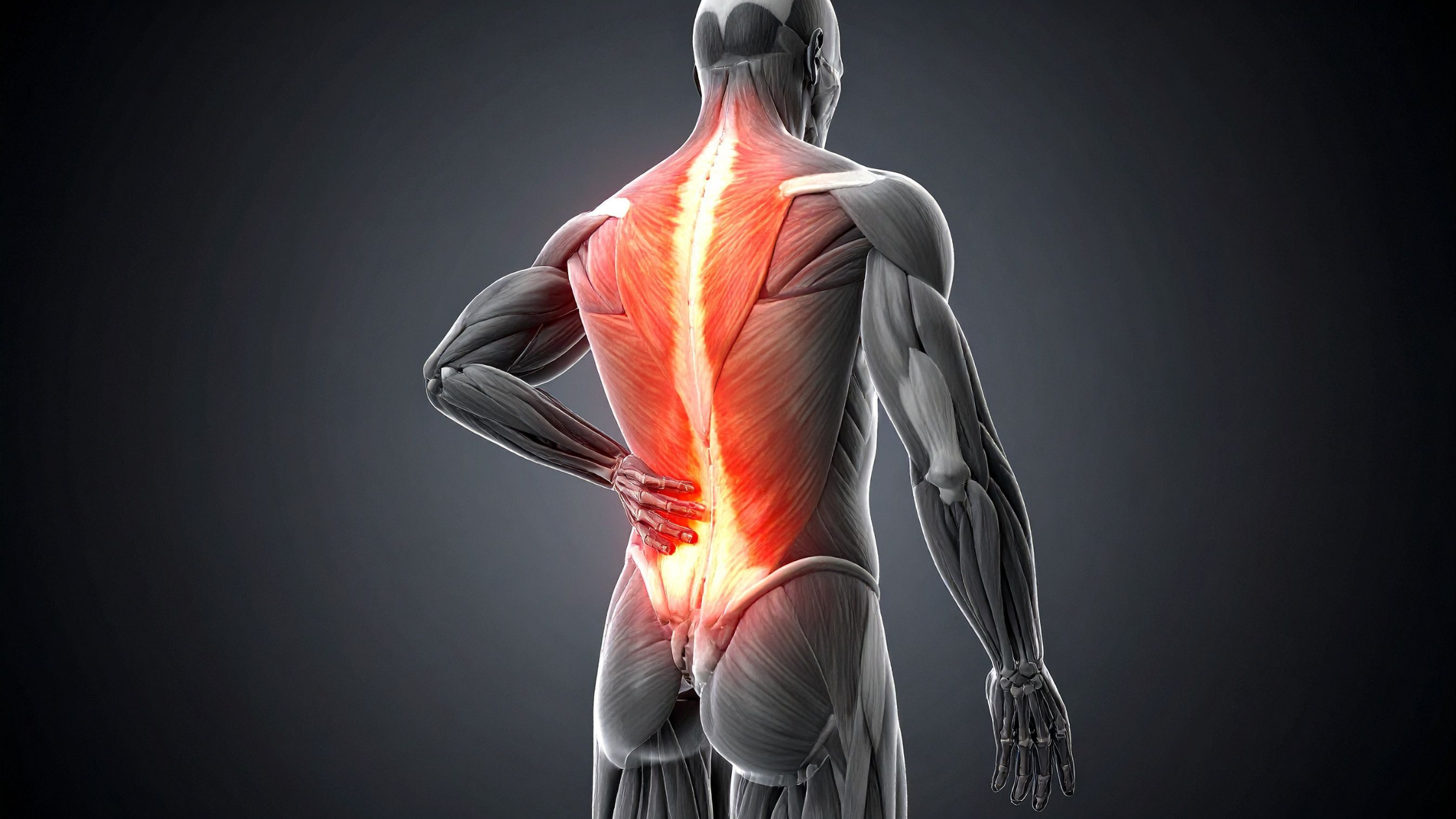
Degenerative disc disease is a common spinal condition that can cause persistent neck or back pain, stiffness, and reduced mobility. Despite its name, degenerative disc disease is not technically a disease. It describes age-related or injury-related changes in the spinal discs, which act as cushions between the vertebrae.
Understanding why spinal discs wear down, what symptoms degenerative disc disease can cause, and how the condition can be treated may help patients make informed decisions about their spine health.
What is degenerative disc disease?
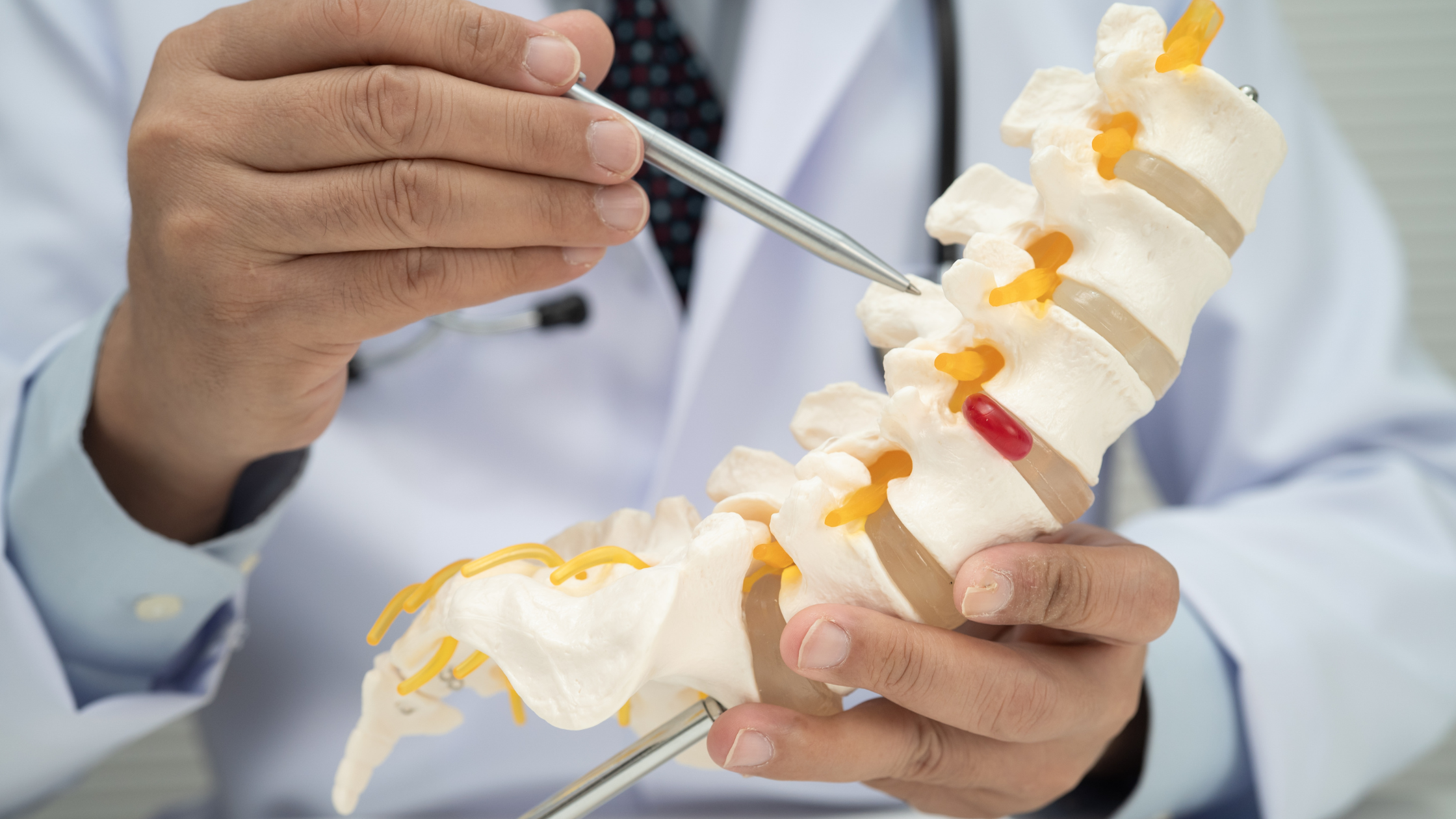
Degenerative disc disease is a condition in which the spinal discs gradually lose some of their structure and function. Each disc has a tough outer layer surrounding a softer inner portion. Healthy discs help absorb shock and allow the spine to move comfortably.
Over time, discs can lose water, become thinner, develop small tears, or lose some of their ability to cushion the vertebrae. These changes are particularly common in the lower back and neck.
Why do spinal discs wear down?
Why do spinal discs wear down? Spinal discs naturally change with age, but several factors can accelerate the process. Repetitive stress, previous spinal injuries, physically demanding activities, smoking, excess body weight, and genetic factors may contribute to disc degeneration.
As discs lose hydration and elasticity, they may become less effective at absorbing pressure. The surrounding structures of the spine can then experience additional stress.
Does degenerative disc disease always cause pain?
Does degenerative disc disease always cause pain? No. Some people have significant disc degeneration visible on an MRI or other imaging study without experiencing symptoms. Others may develop substantial pain from relatively modest changes.
Pain can occur when degeneration causes inflammation, irritates nearby nerves, places additional stress on spinal joints, or contributes to other spinal changes. This is why imaging findings need to be considered alongside symptoms and a physical examination.
What symptoms can degenerative disc disease cause?
What symptoms can degenerative disc disease cause? Symptoms depend on which part of the spine is affected and whether nearby nerves are involved. Common symptoms include persistent lower back or neck pain, stiffness, discomfort that worsens with prolonged sitting or certain activities, and pain that improves when changing positions.
When disc degeneration contributes to nerve compression, symptoms may extend beyond the spine. Patients may experience radiating pain, numbness, tingling, or weakness in an arm or leg.
Can degenerative disc disease cause sciatica?
Can degenerative disc disease cause sciatica? Degenerative disc disease can contribute to sciatica when changes in the lumbar spine irritate or compress a nerve root that contributes to the sciatic nerve.
For example, a degenerating disc may lose height or develop a bulge that reduces the available space for nearby nerves. This can cause pain that travels from the lower back into the buttock and leg.
How is degenerative disc disease diagnosed?
How is degenerative disc disease diagnosed? Diagnosis typically begins with a review of symptoms and medical history followed by a physical examination. The location, duration, severity, and pattern of pain can provide important clues about the underlying source.
Imaging such as X-rays or magnetic resonance imaging (MRI) may be used when appropriate. X-rays can show changes such as reduced disc height and other structural changes, while MRI can provide more detailed information about discs, nerves, and surrounding soft tissues.
How is degenerative disc disease treated without surgery?
How is degenerative disc disease treated without surgery? Treatment depends on the individual’s symptoms, examination findings, and overall spinal health. Many patients can begin with nonsurgical approaches.
Physical therapy may improve flexibility, core strength, posture, and movement patterns. Activity modification can reduce stress on painful areas while maintaining appropriate movement. Depending on the diagnosis, medications, targeted injections, or other interventional pain treatments may also be considered.
The goal of treatment is not necessarily to reverse disc degeneration. Instead, treatment focuses on reducing pain, improving function, and addressing the specific structures contributing to symptoms.
When might injections be considered?
When might injections be considered for degenerative disc disease? Injections may be considered when pain persists despite conservative treatment or when a specific spinal structure is suspected to be contributing to symptoms.
Depending on the source of pain, options may include epidural steroid injections or other targeted diagnostic or therapeutic injections. Diagnostic injections can sometimes provide information about whether a particular structure is contributing to a patient’s symptoms.
Does degenerative disc disease require surgery?
Does degenerative disc disease require surgery? Degenerative disc disease does not automatically require surgery. Many patients manage symptoms successfully with nonsurgical treatment.
Surgery may be considered in selected cases when significant structural problems cause persistent symptoms, neurological problems develop, or appropriate nonsurgical treatments have not provided sufficient relief. The decision depends on the individual’s diagnosis, symptoms, functional limitations, and overall health.
Can degenerative disc disease be prevented?
Can degenerative disc disease be prevented? Aging-related disc changes cannot be completely prevented, but maintaining good spinal health may help reduce unnecessary stress on the spine. Regular physical activity, maintaining a healthy weight, avoiding smoking, practicing safe lifting techniques, and addressing poor posture can support long-term spine health.
Patients with recurring or worsening back or neck pain should also seek an accurate diagnosis rather than assuming that pain is simply a normal part of aging.
When should someone seek treatment for degenerative disc disease?
When should someone seek treatment for degenerative disc disease? Persistent or worsening neck or back pain deserves medical evaluation, particularly when pain interferes with work, sleep, exercise, or everyday activities. Numbness, tingling, weakness, or radiating pain may indicate nerve involvement and should also be evaluated.
An accurate diagnosis is an important first step because degenerative disc disease can occur alongside conditions such as herniated discs, spinal stenosis, facet joint problems, or nerve compression. Identifying the actual source of pain allows treatment to be tailored to the patient’s specific condition.
Degenerative disc disease is a common part of spinal aging, but chronic pain and loss of function do not have to be ignored. With an appropriate evaluation and individualized treatment plan, many patients can manage symptoms and maintain an active lifestyle.