Living With Chronic Back Pain: Daily Habits That May Help You Stay Active
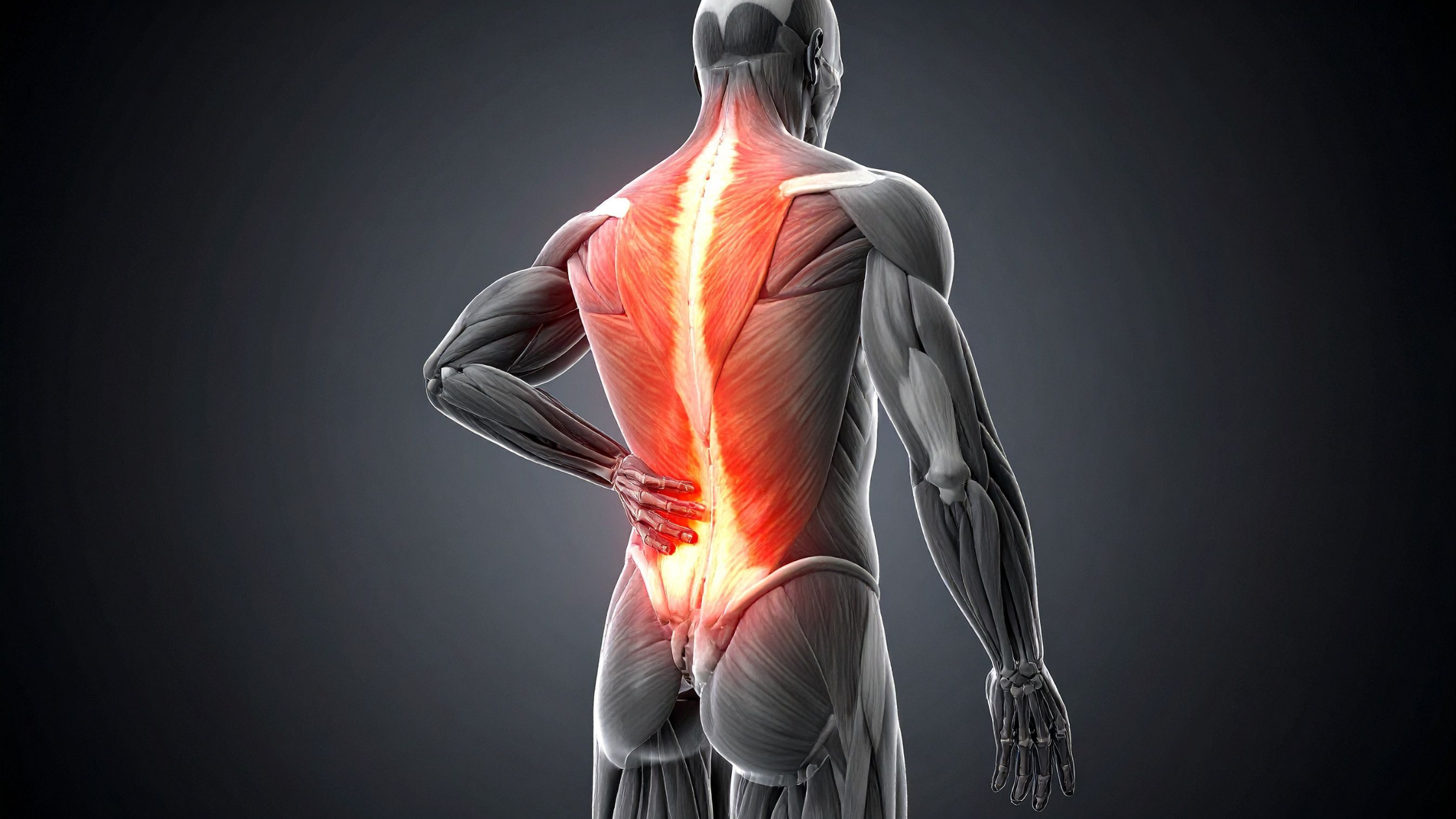
Chronic back pain can affect nearly every part of daily life, from getting out of bed to working, exercising, sleeping, and participating in favorite activities. Although chronic back pain may not disappear completely, certain daily habits may help people manage symptoms, protect mobility, and remain active.
The key is often consistency rather than dramatic changes. Small adjustments to movement, posture, sleep, activity levels, and daily routines can make staying active more manageable. For people experiencing persistent or worsening back pain, medical evaluation can also help identify the underlying cause and appropriate treatment options.
What does living with chronic back pain mean?
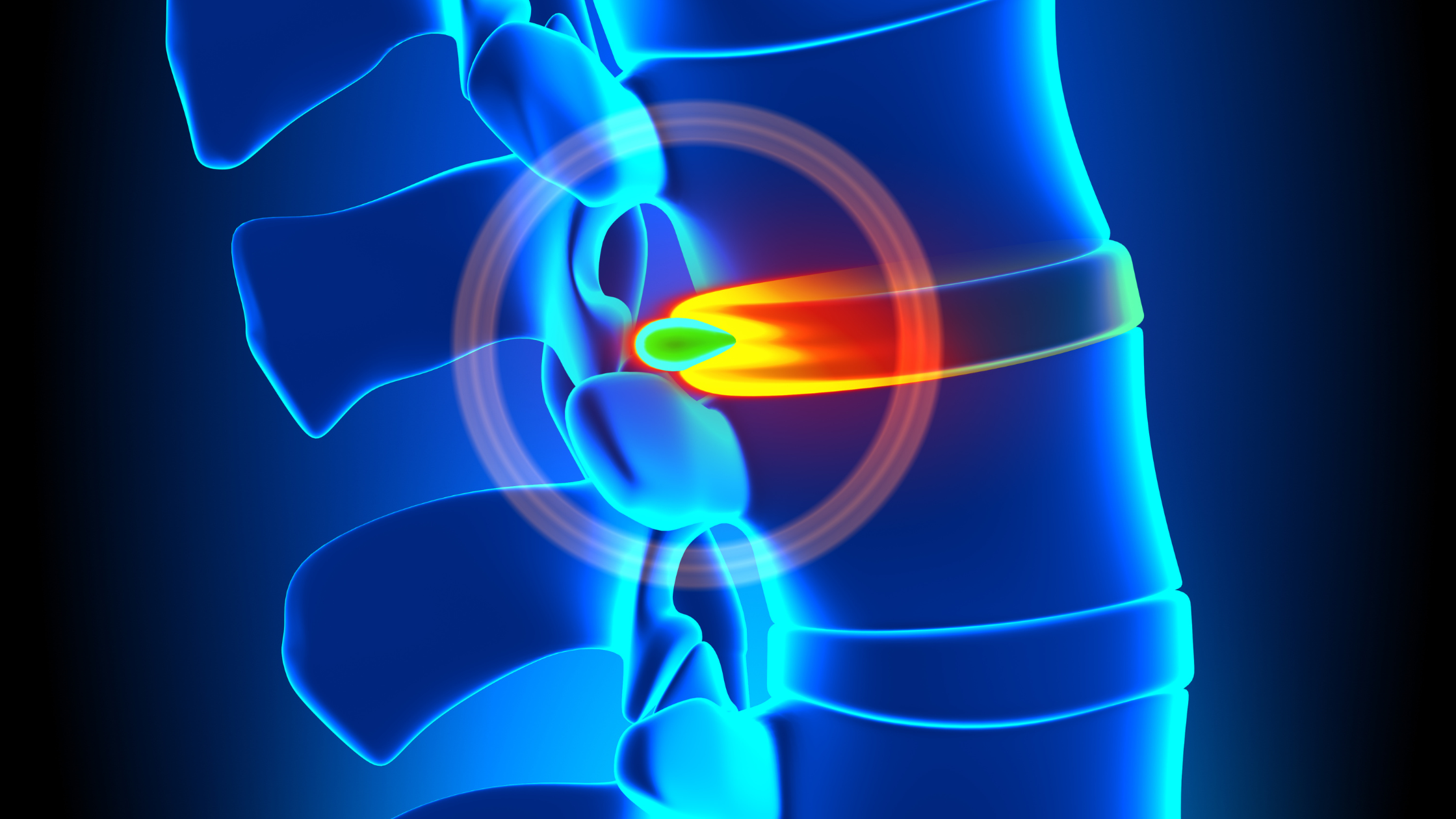
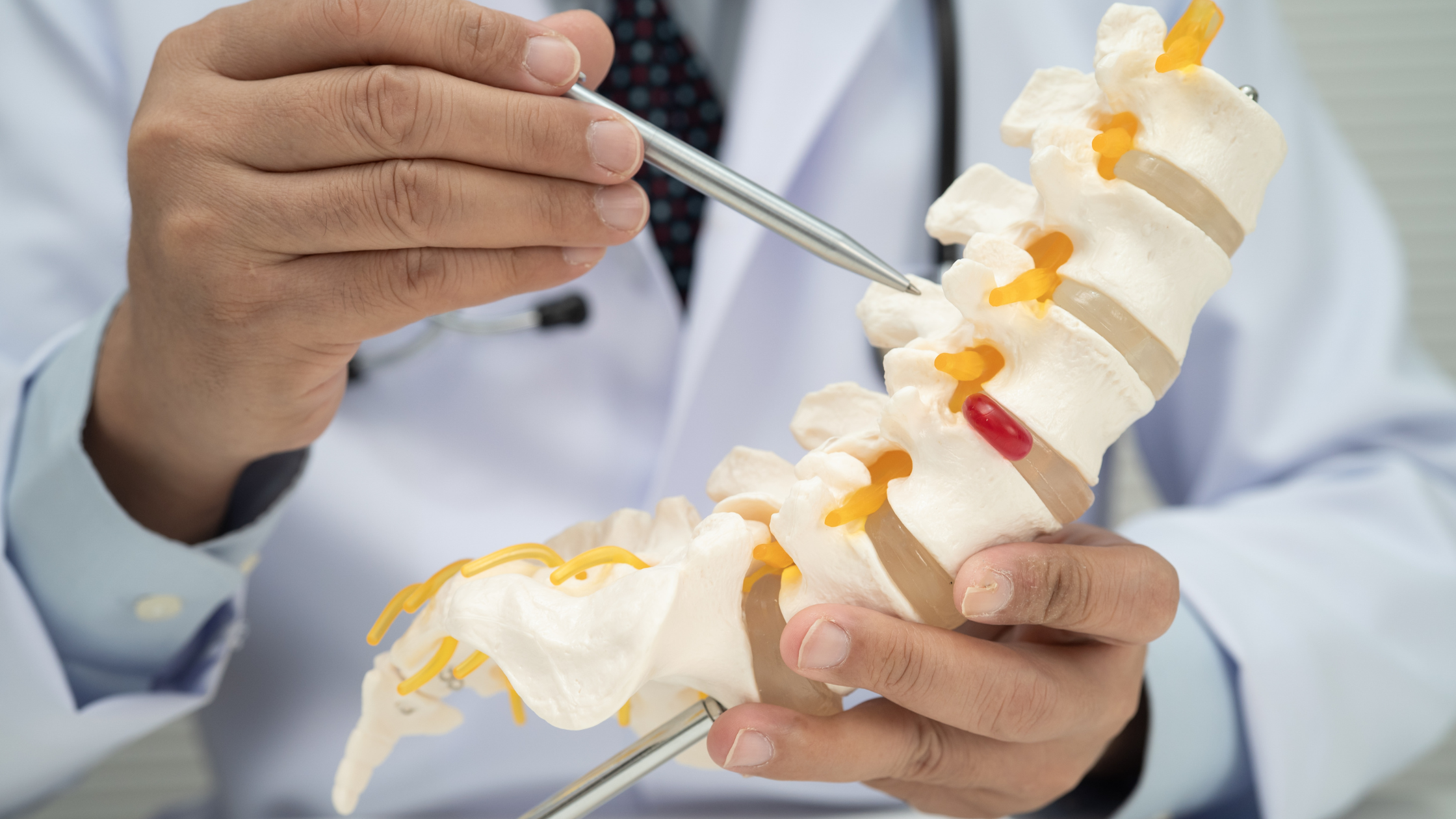
Living with chronic back pain means dealing with back discomfort that persists or repeatedly returns over an extended period, typically longer than three months. Chronic back pain can have many causes, including arthritis, degenerative disc disease, spinal stenosis, previous injuries, muscle problems, or irritation of spinal nerves.
Because chronic back pain affects people differently, there is no single daily routine that works for everyone. The goal is generally to find safe ways to keep moving while avoiding activities that consistently aggravate symptoms.
Why is staying active important when you have chronic back pain?
Staying active with chronic back pain can help maintain strength, flexibility, endurance, and overall physical function. Prolonged inactivity can contribute to muscle weakness and stiffness, potentially making everyday movements more difficult.
Staying active does not necessarily mean participating in high-impact exercise. Walking, gentle stretching, swimming, water exercise, and appropriately prescribed physical therapy exercises may provide ways to maintain movement while placing less stress on the back.
What types of movement may help manage chronic back pain?
Movement that is appropriate for the individual’s condition may help manage chronic back pain. Low-impact activities are often easier to tolerate than exercises involving repetitive jumping, heavy lifting, or sudden twisting.
Walking is one accessible option because it requires little equipment and can be divided into shorter sessions. Gentle mobility exercises may also help reduce stiffness after periods of sitting or inactivity. A physical therapist can recommend exercises designed around a person’s symptoms, strength, mobility, and diagnosis.
The important question is not simply how much exercise can be completed, but which movements can be performed consistently without causing a significant increase in symptoms.
How can people avoid sitting too long with chronic back pain?
Avoiding prolonged sitting can be an important daily habit for people with chronic back pain. Sitting for extended periods may increase stiffness and make it harder to transition comfortably into standing or walking.
Changing positions regularly can help. Standing briefly, walking around the room, performing gentle movements, or changing the sitting position throughout the day can break up long periods of inactivity.
For people who work at a desk, adjusting the chair, desk, monitor, and keyboard setup may also improve comfort. Ergonomic changes should support a neutral and comfortable position rather than forcing the body into a rigid posture.
Can good sleep habits make a difference with chronic back pain?
Good sleep habits may make it easier to cope with chronic back pain. Poor sleep can affect energy, concentration, mood, and the body’s ability to manage discomfort.
A consistent sleep and wake schedule, a comfortable sleeping environment, and a mattress and pillow arrangement that provides adequate support may help. Some people find that changing their sleeping position can also improve comfort.
Persistent pain that regularly disrupts sleep deserves medical attention, particularly when sleep problems are becoming part of a recurring cycle of pain and fatigue.
How should daily activities be modified when back pain flares?
Daily activities may need to be modified during a chronic back pain flare rather than stopped completely. A temporary reduction in intensity can allow someone to remain mobile without repeatedly provoking symptoms.
For example, household chores can be divided into shorter tasks. Heavy objects can be avoided or handled with assistance. Repetitive bending and twisting can be minimized when possible.
At the same time, severe or unusual symptoms should not simply be pushed through. New weakness, significant numbness, loss of bladder or bowel control, fever, unexplained weight loss, or severe pain following an injury can require prompt medical evaluation.
What role does strength training play in chronic back pain?
Strength training can play an important role in maintaining function with chronic back pain when it is appropriate for the individual’s condition. Stronger muscles around the abdomen, hips, back, and legs can support movement and everyday activities.
However, strength training should be individualized. Proper technique, gradual progression, and appropriate resistance are generally more important than lifting heavy weights. Someone with significant or persistent symptoms may benefit from professional guidance before beginning a new exercise program.
Can healthy body weight and nutrition support an active lifestyle with back pain?
Maintaining a healthy body weight and eating a balanced diet can support an active lifestyle for people living with chronic back pain. Excess body weight can place additional mechanical demands on the spine, while adequate nutrition supports energy levels and overall physical health.
Rather than focusing on restrictive diets, a balanced eating pattern that includes vegetables, fruits, whole grains, lean proteins, healthy fats, and adequate hydration can provide a foundation for regular activity.
When should someone with chronic back pain see a pain specialist?
Someone with chronic back pain should consider evaluation by a pain specialist when symptoms persist despite reasonable self-care, interfere with work or daily activities, repeatedly disrupt sleep, or continue to worsen.
A pain specialist can evaluate potential sources of pain and discuss nonsurgical and interventional treatment options when appropriate. Treatment may include physical therapy, targeted injections, nerve procedures, regenerative medicine approaches, or other therapies depending on the diagnosis and individual circumstances.
What is the most important daily habit for living with chronic back pain?
The most important daily habit for living with chronic back pain may be maintaining appropriate movement while paying attention to how the body responds. Consistent, manageable activity is often more sustainable than cycles of overexertion followed by prolonged rest.
Living with chronic back pain does not have to mean giving up an active lifestyle. With individualized care, practical daily habits, and appropriate treatment when needed, many people can work toward maintaining mobility and participating more fully in everyday life.
This article is for educational purposes only and is not a substitute for professional medical advice, diagnosis, or treatment.